
The Importance of Empathy in Relationships
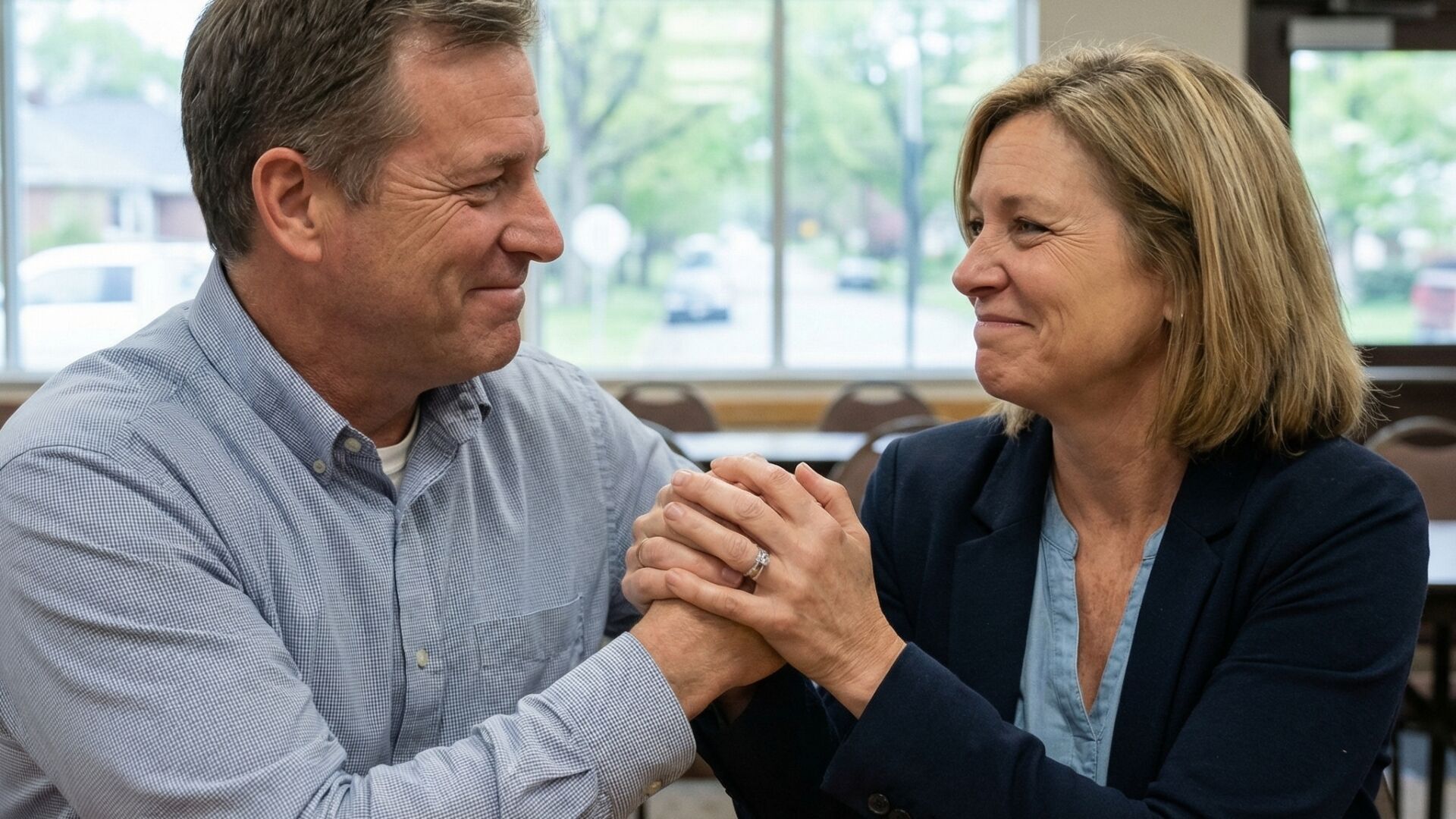

In a world full of challenges and conflicts, empathy can be the connecting element that helps us create harmonious relationships. Especially on lifescout.com, we explore how compassion and understanding form the foundation for a fulfilling life. If you are looking for ways to improve your relationships, you will find that empathy is a central building block in conflict resolution. The goal is not only to settle disputes but rather to develop deeper connections. In our hectic times, where communication often remains superficial, it is important to recognize the significance of empathy and learn how to implement it in daily life. Let's dive deeper into the matter and find out how empathy can make a difference.
Empathy means more than just compassion; it is the ability to truly understand and relate to the feelings and perspectives of another person. If you are stuck in a conflict, whether with a partner, friend, or colleague, the practice of empathy can be crucial. Imagine your friend is having a bad day, and instead of immediately reacting with solutions, you just listen and try to understand their emotions. Such moments create a deeper connection and show your friend that you value them. The application of empathy not only enables more effective conflict resolution but also fosters an atmosphere of trust and respect that is essential for any relationship.
Another important aspect of empathy is the ability for self-reflection. To be empathetic, you often need to be aware of what emotions you are feeling in a conflict. For example, if you are frustrated or angry, that can cloud your judgment and prevent you from seeing the other person's perspective. By acknowledging and managing your own feelings, you will be better able to respond empathically. Imagine how differently a confrontation might go if both sides tried to put themselves in the other's shoes. With this approach, you can not only diffuse conflicts but also figure out how you can find solutions together.


The Practical Application of Empathy
The application of empathy can take various forms, depending on the situation. An effective way is to ask open-ended questions to understand the other person's viewpoint. Instead of starting with accusations, you could say, 'I feel disappointed because I feel like my needs are not being heard. Can you tell me how you see the situation?' This opens up space for a respectful discussion and makes it easier for both parties to feel heard and respected. Such communication not only promotes understanding but also shows that you are willing to work on the relationship.
Another helpful approach is active listening. This means not only hearing the other person's words but also paying attention to the non-verbal signals they are sending. When someone speaks, observe their facial expressions, gestures, and tone of voice. Show that you are attentive by occasionally nodding or providing brief affirmations. This creates a sense of safety and appreciation; the other person feels that their emotions matter to you. Your ability to truly listen can not only clarify misunderstandings but also help you recognize where common values and goals lie.
If you want to apply empathy in conflict, it is important to be prepared to recognize your own boundaries as well. Empathy does not mean accepting everything or always agreeing with the other person. You should respect your own feelings and opinions while being open to the other person's perspective. A typical example is a discussion about financial decisions in a relationship. You can show understanding for your partner's viewpoint, but also clearly express why you have a different opinion. Such a balance between understanding and assertiveness is essential to maintain healthy relationships.
Empathy and Emotional Intelligence
Empathy is closely related to emotional intelligence—the ability to recognize and regulate your own emotions and the emotions of others. A high level of emotional intelligence helps you navigate conflicts better by not only analyzing the situation rationally but also considering the emotional needs of all parties involved. You will find that by acknowledging the emotions of those around you, you can create a supportive environment for conflict resolution. For instance, if you notice that someone is overwhelmed, you can postpone the discussion to another time to avoid further stress.
Moreover, there are many techniques you can develop to improve your empathetic skills. Journaling or keeping a reflection journal about your emotional reactions can help you better understand your own feelings and recognize their impact on others. You can also try to put yourself in situations where you felt uncomfortable and view them from the perspective of others. This can help you develop a broader outlook and strengthen your empathetic abilities.
Conclusion and Recommendations
In summary, empathy plays a key role in conflict resolution. It is about looking beyond your own needs and desires and diving into the hearts and minds of others. When you practice empathy, you not only create peace but also ensure that all involved feel heard and valued. It can sometimes be challenging, but the rewards are worth the effort: deeper, more harmonious relationships and a stronger connection to the people around you.
To strengthen your empathic abilities, start with simple daily exercises. For example, making a conscious decision once a day to listen without interrupting or putting yourself in the shoes of others can make a huge difference. Remember, empathy is a learned process that takes time and practice. Don’t be discouraged if it doesn’t happen immediately. Every step towards a more empathetic life is a step towards better relationships. And ultimately, it is this journey that leads us to a fulfilling and happy life.