
Finding a healthy balance in relationships
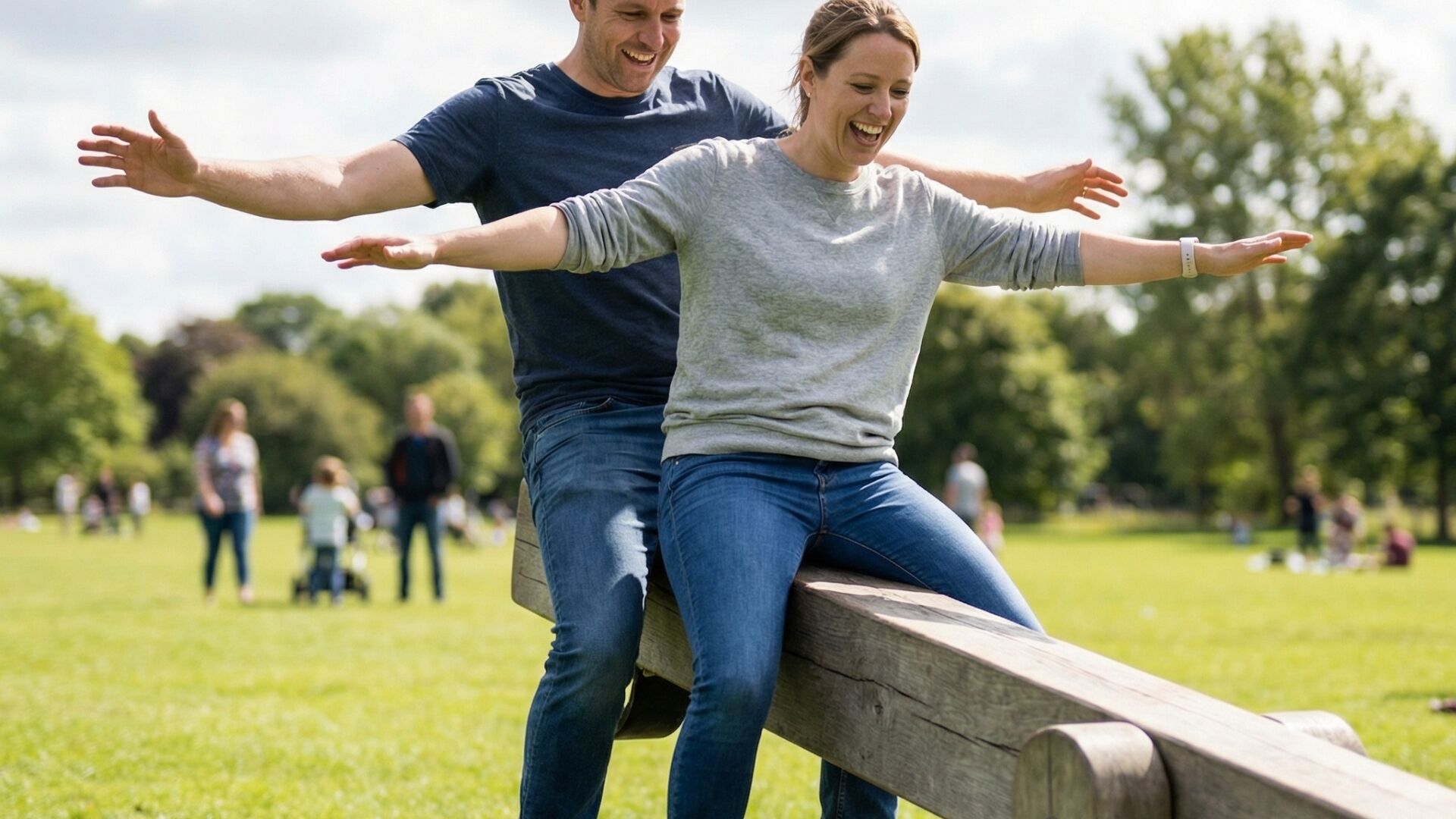

Finding a healthy balance between independence and closeness in relationships is a challenge for many of us. Often, we feel torn between the desire for personal freedom and the longing for emotional intimacy. At lifescout.com, we address exactly such topics that help you create harmonious and fulfilling relationships. Our mission is to show you how to separate what is important from what is unimportant amid the information overload of everyday life. Whether you are talking to your partner, friends, or family members – here you will find deep insights that help you consciously shape and strengthen your personal and social relationships. Let's dive deeply into strategies that help you nurture both closeness and independence.
To find a healthy balance between independence and closeness in relationships, it is important to become aware of your own needs. Sometimes the desire for independence lies dormant while the longing for closeness exists simultaneously. You should clearly define for yourself which aspects are important to you. Ask yourself what independence means to you: perhaps it is time for yourself, pursuing hobbies, or simply being alone. By becoming aware of your needs, you create a foundation that helps you communicate these in your relationships while also developing understanding for the needs of the other.
One of the most effective strategies for fostering this balance is to maintain open communication. Speak honestly with your partner about your wishes and fears. Let them know when you need more space and when you seek closeness. This type of communication can create a sense of safety and stability that helps both partners feel more comfortable in the relationship. Remember that it is important to regularly discuss your needs, as they may change over time, necessitating ongoing adjustments to life circumstances.

Setting and respecting boundaries
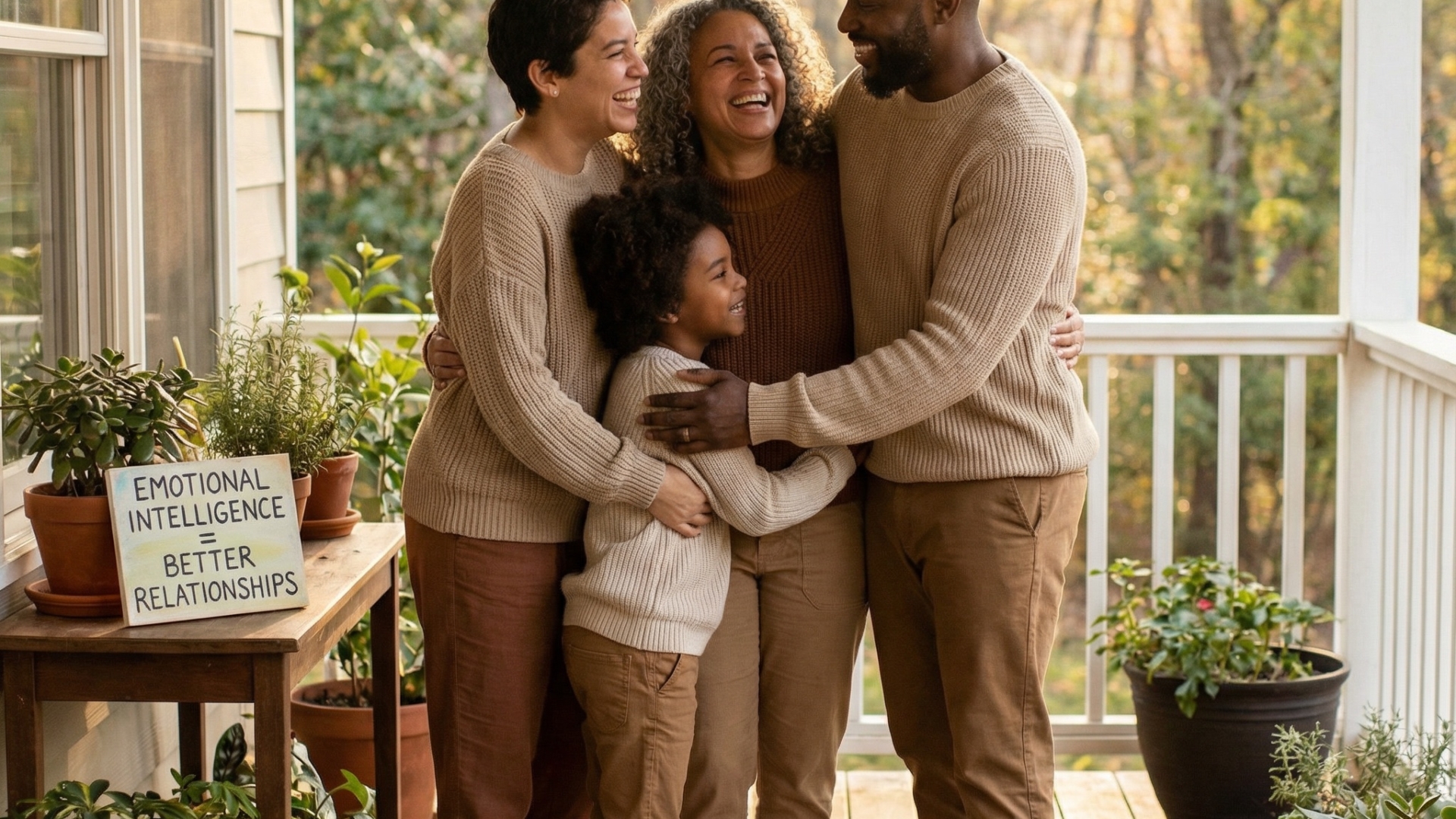
Healthy boundaries are essential for maintaining a balance between closeness and independence in a relationship. Setting boundaries does not mean putting up a wall around yourself, but rather communicating respectfully what spaces you need and what expectations you have of your partner. For example, you should be clear about your personal space in daily life. Depending on your life situation, it may be helpful to regularly spend time alone or pursue your own interests without feeling guilty. This not only fosters your individual growth but also the health of the relationship.
Another important element is active listening. If you are able to understand and respect your partner's needs and desires, it will positively impact your connection. Try to take the other person's perspective during difficult conversations and listen actively. This way, your partner will feel that their needs are taken seriously. Misunderstandings often arise when we are not willing to listen to the other and present our own perspective. Make sure you not only communicate your own needs but also show that you care about theirs.
It helps to understand the importance of trust in relationships. Trust is the cornerstone for closeness, but also the key to independence. When you and your partner trust each other, you can give each other space without fear that it will jeopardize your relationship. Work on building trust by being honest and transparent. Take small steps together to strengthen your trust in one another. This will lay the foundation for a resilient relationship in which both partners feel secure in living out their independence and closeness alike.
Personal growth and connection
Another element important for the balance between independence and closeness is personal growth. As you develop yourself, you can also grow in the relationship. Take time for personal goals and work on yourself. This can take the form of further education, hobbies, or self-reflection. Your personal development positively impacts the relationship as you return with new knowledge and perspectives. This freshness can allow both partners to exchange positively and learn from one another.
Shared activities are also an effective way for couples to create closeness while maintaining independence. Find common interests or hobbies that you both enjoy. Spending time together regularly helps strengthen emotional bonds. At the same time, it is important that you pursue your own interests. This duality not only enhances your bond but also gives each partner the freedom to be themselves and actively shape their own lives.
Moreover, you should develop an awareness of the phases of a relationship. Relationships go through different stages, and the balance between independence and closeness may change depending on the phase. Young couples may tend to spend a lot of time together, while long-term partners may place more value on individuality. Recognizing the importance of each phase can help you understand your own desires and those of your partner better and respond appropriately.
Conclusion and outlook
The art of finding a balance between independence and closeness in relationships is a constant challenge that requires much self-reflection and patience. It is important to set clear boundaries, communicate openly, and actively work on personal growth. By considering both your partner's needs and your own, you can create a deeper connection based on trust and mutual respect. Use the insights from this article to work on your relationships and make conscious decisions.
Finally, it is important to create space for yourself while also strengthening the relationship. Do not view your independence as a threat, but as an opportunity to grow as an individual. Believe that through dedication, communication, and respect, you can fulfill not only your own needs but also those of your partner. With these strategies, you are on a good path to leading a fulfilling and balanced relationship life that integrates both closeness and independence.